What’s On This Autumn: A Seasonal Guide to Local Festivals and Fairs
Autumn arrives faster than the calendar suggests. One week you are still eating outside, the next the gloves are out and the evenings have closed in. It is also the busiest stretch of the year for local events, and much of it rewards a bit of forward planning: the popular fireworks displays sell out, the orchard car parks fill by mid-morning, and the Christmas market that looks charming on a poster can be a crush at noon.
What follows is a guide to the sorts of events running across the area from late September to early December, roughly in the order they land. Dates shift from year to year and from venue to venue, so treat these timings as a framework and check local listings for the specifics.
Harvest Fairs and Apple Days
Late September into mid-October is harvest season, and much of it happens in village halls, church rooms, allotments and community orchards rather than big venues. Expect harvest suppers, produce shows, services with a table of tinned goods at the back, and apple days at orchards and city farms. Apple Day itself falls on 21 October, though plenty of orchards pick the nearest weekend instead.
A typical apple day means juice pressing, cider and chutney stalls, local honey, a cake competition, apple identification, Morris dancers and a great deal of mud. Most are free or ask for a small donation, with craft tables, bobbing buckets and tractor rides for children. They are among the friendliest family outings of the season.
Before you go
- Parking is often in a field. Check whether it needs pre-booking, and whether a shuttle runs from town.
- Some orchards run timed picking slots; others simply open the gates. Ring ahead if you have your heart set on picking your own.
- Take cash for cake stalls, raffles and tombolas. Not every stall has a card reader.
- Wellies for everyone, plus spare socks in the boot. Apple presses and mud do not mix with best shoes.
Halloween and Half-Term
Halloween falls on 31 October, and the etiquette with small children is simple: knock only where a pumpkin or a lit window signals a welcome, and leave the rest of the street alone. Costumes should be visible after dark, which usually means something reflective or a torch.
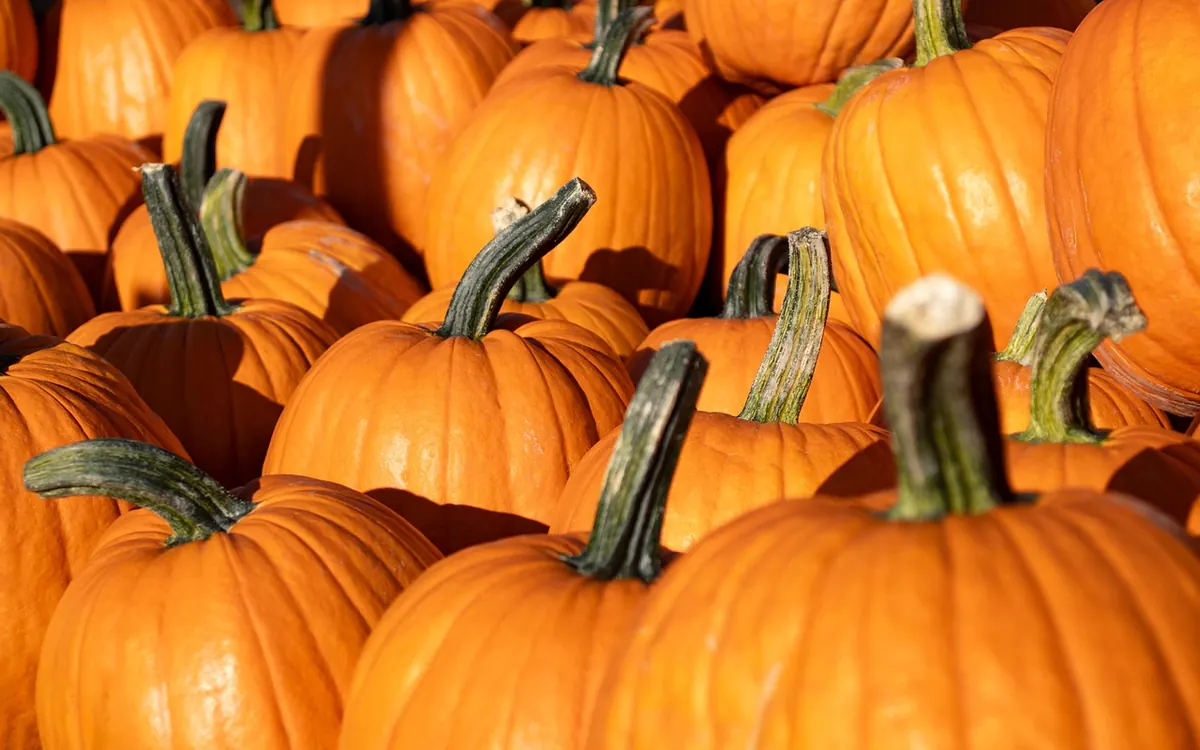
Half-term week is the heaviest of the autumn for family events. Pumpkin patches, spooky trails, lantern walks, museum drop-in sessions and cinema clubs all compete for the same few days, and the good ones book out quickly. If a free museum session needs a timed ticket, book it the morning tickets are released rather than hoping to walk in. Pumpkin patches are worth a phone call before you drive out: some include a pumpkin in the entry price, others charge entry plus a price per pumpkin by size.
Bonfire Night and Fireworks
Bonfire Night is 5 November, but displays cluster across the weekends either side, so most people end up choosing between three or four. Start with these questions before paying for anything:
- Is it ticketed, or free with a collection bucket?
- Does the car park need a separate ticket, and does it sell out?
- Is there an earlier, quieter display for younger children? Many sports clubs and councils now run one.
- Can you pay for food and drinks by card, or should you bring cash?
Arrive earlier than you think you need to; the last twenty minutes before the bonfire is lit are the worst of the traffic. Dress for standing still in the cold rather than for walking. Ear defenders are worth packing for small children, and pets are usually happier left at home. Sparklers burn fiercely and are not suitable for the very young, so follow the organiser's instructions and keep them well away from clothing and other people.
Food, Drink and Beer Festivals
October and November bring beer festivals, cider tastings, gin evenings, street food markets and supper clubs. Family-friendliness varies enormously: some are child-friendly until early evening, others are strictly over-18s from the door. Check the age policy before you buy rather than at the gate.
Tickets usually come as timed sessions, with Saturday evening and Friday night going first. Many festivals sell a designated driver ticket that is cheaper and includes soft drinks, so ask even if it is not advertised. Buy direct from the organiser's own ticketing page rather than a resale site. Plan the journey home before you set out, because taxi queues at closing time are long and the last bus is often earlier than it looks. If you are unsure whether drinking is sensible alongside medication or a health condition, speak to a pharmacist or your GP first.
Markets, Craft Fairs and the Christmas Build-Up
From mid-November the calendar changes gear. Farmers' markets, artisan craft fairs, school Christmas fayres, light switch-ons, tree festivals and Santa's grottos all arrive at once.
- Craft fairs: go on the first morning for the best stock, or the final afternoon when stallholders are keener to sell. Handmade goods rarely come round twice.
- School and church fayres: small change is your friend, and they are often the cheapest place to buy a decent wreath, cake or second-hand book.
- Light switch-ons: free, crowded and over quickly. Arrive about 45 minutes early, stand back from the stage rather than in the middle of the scrum, and agree a meeting
Photo: isakarakus / Pixabay