A Walking Tour of Local History for Curious Beginners
The best local history rarely lives in books. It lives in a worn stone step outside a bank, a bricked-up doorway two floors above a shop, a surname on a pub sign that matches a street four corners away. Walk past those things every week and they stay invisible. Spend two hours walking them deliberately, with a route and a few questions, and your town starts to read like a story.
A self-guided tour is the cheapest history lesson going. No ticket, no guide, no schedule. You need comfortable shoes, a charged phone and enough curiosity to stop and look up. Here's how to plan one.
Build a loop, not a landmark
Beginners often build a walk around a single famous building, then run out of material after twenty minutes. A better approach is a short loop — roughly two miles, ninety minutes at an easy pace — that passes through the places a town has always needed: somewhere to trade, somewhere to pray, somewhere to cross water, somewhere to arrive.
Before you go, spend ten minutes with whatever local resources exist. A civic society website, the local studies section of the library, a heritage open day leaflet, the information board in the car park. You aren't looking for a script. You're looking for two or three dates and one or two names to anchor the walk. If you find nothing at all, go anyway. The buildings will tell you plenty.
The route: four stops that work almost anywhere
Treat this as a template rather than a fixed itinerary, and change the order to suit your streets.
- The market place or main crossroads. Towns grew where routes met or where goods changed hands. Stand at the widest point and look at the rooflines; older buildings often sit lower, with irregular slopes and small windows. Look for where the market cross, pump or town hall once stood, even if only the base remains.
- The parish church and its churchyard. Usually the oldest surviving building in town, and the most informative. Walk the perimeter before you go in. Headstones record trades — wheelwright, cordwainer, mariner — and often the same surnames you'll see on shopfronts nearby.
- The water. A river, canal, brook or mill race explains why the town is where it is. Look for weirs, retaining walls, sluices and the remains of mill buildings. Even a culverted stream, now running under a car park, leaves traces in street names and in the way the ground slopes.
- The station or the old coaching inn. Transport built and rebuilt towns. A Victorian station will have goods yards and terraced streets beside it; a coaching inn will have a wide archway for carriages and a yard behind. Both show you which way the town was growing.
Time the walk so you finish somewhere you can sit down. A cafe near the last stop isn't a luxury; it's where you'll write your notes while they're fresh.
What to look for on the walls
You don't need architectural training to read a building. Start with these.
- Dates and initials. Look above doorways and under gables for carved years, or initials with a heart or an ampersand. They usually mark a rebuild, an extension or a change of owner.
- Blocked-up openings. Bricked-up doors and windows show where a building changed purpose. A former chapel, warehouse or pub often keeps the shape of a doorway that no longer leads anywhere.
- Ghost signs. Faded painted advertisements on gable ends, often for tobacco, soap or bicycles. They survived because nobody bothered to remove them.
- Ironwork and stone markers. Drain covers, lamp bases, railings and boundary stones carry manufacturer names, parish initials and dates. These small, dated objects make a walk feel like a paper trail.
- Street names. Names outlast the thing they describe. Mill Lane, Tenter Row or Sheep Street is telling you what happened there long before the housing.
Where the stories come from
Anything you can't verify doesn't belong on a walk, even a private one. Fortunately, checkable local stories are easy to find once you know the categories: the flood, the fire, the railway, the workhouse, the factory that closed and took a thousand jobs with it.
The churchyard, the war memorial and the local newspaper archive are three reliable starting points. So are the names on pub signs, which often point to a family, a trade or a piece of land. Ask at the library or the record office and be straightforward about what you're doing; staff are used to curious residents and will point you at the right folder.
When you find a story you like, note the source beside it. That habit stops a myth being repeated down the years. If something is locally claimed but unproven, say so out loud — "reputedly" is a useful word — rather than passing it on as fact.
Photo stops that look better than they do in your head
The building in front of you will almost never fit in the frame. Photograph the parts instead: a door handle, a datestone, a boot scraper, the curve of a handrail. These make a far better record of a walk than a wide shot of a whole street.
- Shoot in the early morning or late afternoon, when low light picks out texture in brick and stone.
- Stand back and use the street itself as a leading line towards your subject.
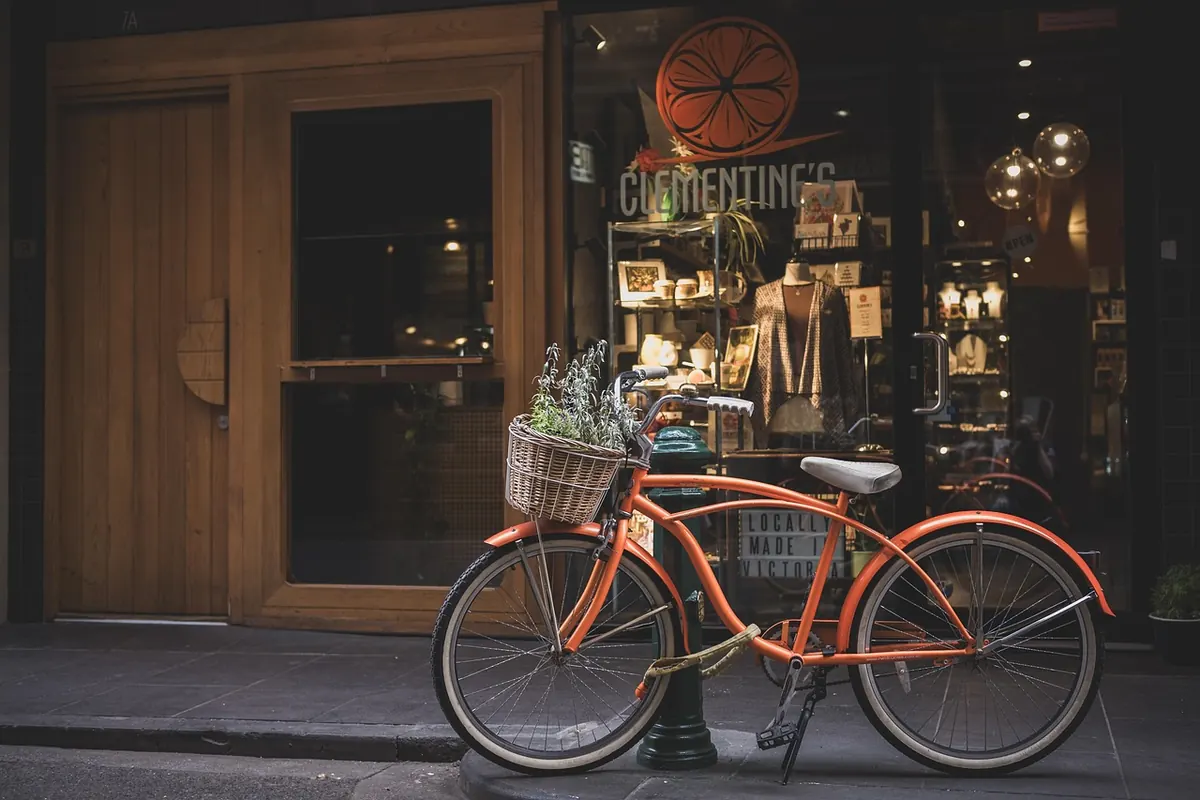
- Put something in the frame for scale — a bench, a bicycle, someone walking away.
- Photograph information boards straight on, close enough to read later.
- Keep one wide shot per stop so you can remember the layout at home.
Practical notes before you set off
What to take
Keep it simple: a printed or screenshot map, because old towns have patchy signal in narrow streets; shoes you can walk two miles in on pavements, cobbles and grass; water; and a notebook or your phone's notes app.
Ground rules
Churchyards are working places. Keep your voice down, don't step on graves, and check opening times, as many are locked outside daylight hours. Don't enter private land, yards or fenced works, even if the gate is open. If you're walking alone or after dark, stick to lit streets and tell someone your route and rough finish time.
Finish with a cup of tea, your notes open and one question you couldn't answer. That question is your next walk.