How to Eat Seasonally at Local Restaurants: A Month-by-Month Guide
A menu that reads much the same in February as it does in July is telling you something. Not necessarily something bad — plenty of good kitchens build a reputation on consistency — but it does suggest the ingredients are chosen for convenience rather than timing. Eating seasonally is simply the habit of ordering what is at its best right now, and in local restaurants it is usually the shortest route to the best-tasting plate on the table.
It is also the cheapest advice you will get all year. When a kitchen buys a glut of broad beans, or a fisherman lands more mackerel than the specials board can hold, the cooking gets simpler, the portions get generous and the set menu gets interesting. You do not need to be a chef to spot that. You just need to know what to look for and what to ask.
Start With What's Growing, Not What You Fancy
Most people read a menu from the top: starter, main, pudding. Try the other way round. Look first at the specials board, the chalkboard by the door, or the slip of paper slipped inside the menu. That is where the seasonal cooking usually hides — the handful of dishes the kitchen can only run for a week or two because the asparagus arrived on Tuesday and will be gone by Sunday.
Restaurants that cook seasonally tend to do a few things consistently. They change their menu often, sometimes weekly. They name their suppliers, or at least mention the farm, the market, the day boat. They write dates on things. And they are comfortable saying a dish has finished, which is a much better sign than a menu that promises the same eight plates in every month of the year.
How to Spot a Seasonal Menu
Some clues are obvious, some are subtle. None of them is a guarantee, but together they give you a decent picture of how a kitchen shops.
- It changes. A menu with a printed date, a weekly insert or a specials board that looks freshly written is usually cooking to the market rather than to a freezer.
- Dishes cluster around one ingredient. Three plates that all use rhubarb, or a whole section built on tomatoes, suggests the kitchen bought a lot of something because it was good and cheap.
- Nothing is out of place. Asparagus in November, strawberries in January and English tomatoes in March are all worth a raised eyebrow. Ask where they came from.
- The vegetables sound specific. "Purple sprouting broccoli", "Hispi cabbage", "greens from the market" tells you more than "seasonal vegetables".
- Less meat, more vegetables. In late summer, a good kitchen will lean on tomatoes, courgettes, aubergines and sweetcorn because they are at their peak and need barely any cooking.
- Fish follows the calendar. Mackerel in summer, mussels and native oysters in the colder months. If the fish list never shifts, it is probably frozen or imported.
The Year in Produce: What to Look For
January to March
This is root vegetable and brassica territory: parsnips, celeriac, swede, leeks, kale, winter cabbage and Jerusalem artichokes. Forced rhubarb arrives from Yorkshire in the new year and is a genuine treat, sharp and jewel-coloured. Purple sprouting broccoli turns up towards the end of winter. On the fish side, mussels, oysters and crab are all in good shape.
April to June
The best few weeks of the year, if you ask most cooks. Wild garlic appears in woodland and on menus, followed by a short, glorious asparagus season from late April. Then come radishes, spring onions, watercress, new potatoes, broad beans and peas. June brings the first strawberries, gooseberries and elderflower. Order simply — butter, lemon, salt — and let the produce do the work.
July to September
Tomatoes reach their peak in August, and the difference between a ripe local tomato and a pale imported one is not subtle. Look for courgettes, runner beans, sweetcorn, samphire, peaches, plums, cherries and blackberries, plus mackerel and brown crab. By September, apples, pears and damsons are coming in, the game season has started and the first squashes appear.
October to December
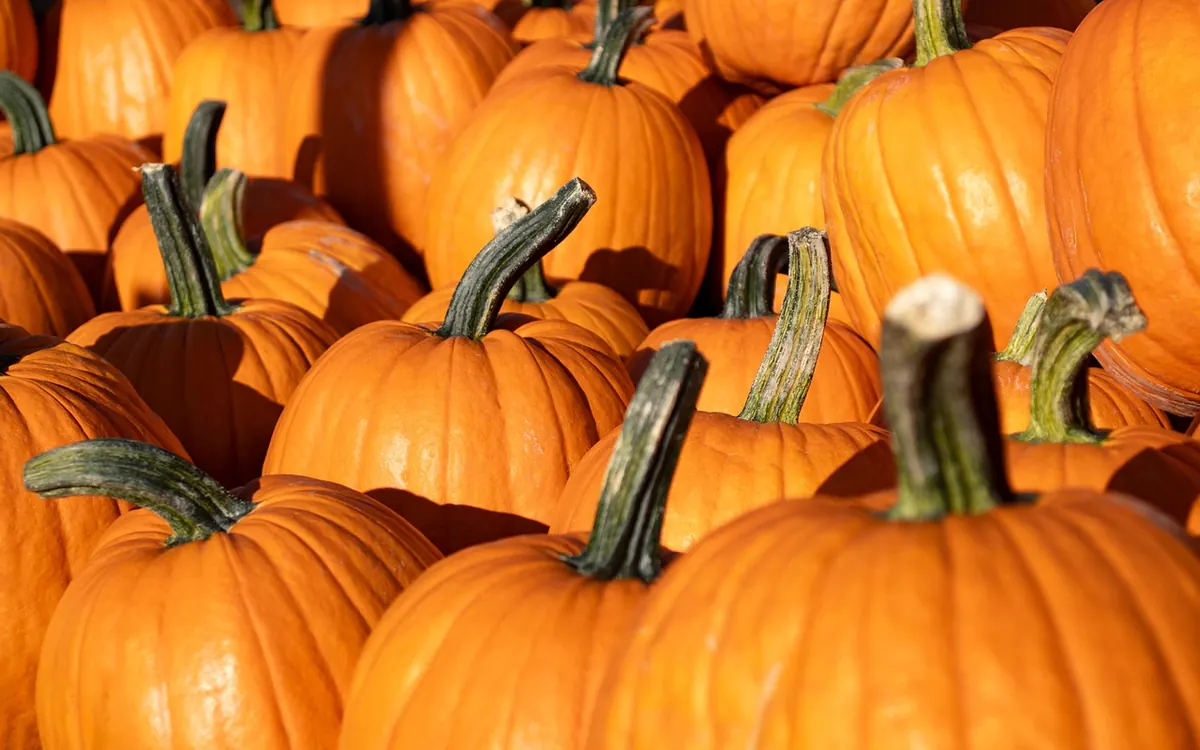
Squashes and pumpkins, celeriac, parsnips, chestnuts, wild mushrooms and venison. Pheasant and other game are on menus, mussels are at their best, and the traditional rule about native oysters — only in months with an R — is worth respecting. December is sprouts, red cabbage, roast roots and potatoes, cooked with more butter than you would use at home.
Four Questions Worth Asking
- "What came in this week?" Any server who enjoys their job will tell you, and it points you straight at the best dish on the board.
- "Is this local?" Ask about one ingredient, not the whole menu. The answer tells you a lot about how the kitchen thinks.
- "What would you order?" Staff eat the food far more often than you do. Their answer is rarely wrong.
- "Is there a set menu?" Seasonal cooking is often cheaper because the kitchen bought well. Fixed-price menus are where that saving tends to land.
When a Favourite Goes Missing
Part of eating seasonally is accepting that you cannot have everything all year. If your go-to dish has vanished, treat it as information rather than disappointment: the kitchen is shopping honestly. Ask what has replaced it, or order something you would not normally choose. Restaurants notice when customers respond well to a changing menu, and a chef who feels safe experimenting is a chef worth following.
One sensible note: if you are managing a health condition or a restricted diet, seasonal produce is not automatically the right choice for you. Ask the restaurant about ingredients and speak to a qualified professional where it matters.
Making It a Habit
You do not need to memorise a calendar. Learn roughly what belongs to each quarter, glance at the specials before you decide, and ask one question per visit. Do that for a year and you will start to notice the rhythm of your local kitchens — the week the asparagus lands, the month the game appears, the point at which tomatoes finally taste of something.
If you want to go further, visit a market on a Saturday and see what is piled high and cheap; that is what should be on the menu by Wednesday. Sit at the bar where you can watch the pass. Book midweek, when kitchens have room to run a short seasonal menu. And when a favourite is at its peak, order it twice — because it will not be there next month, and that is exactly the point.
Photo: debannja / Pixabay