Independent vs Chain Coffee Shops: A Local Comparison for Weekend Brunch
Saturday, half past ten. You have a free morning, a companion who is already hungry, and one decision that shapes the next two hours: the independent café on the corner, or the chain with the familiar sign and the queue you can predict to the minute.
Both will feed you. They will not feel the same, and they are not good at the same things. Here is what actually separates them once you sit down.
Atmosphere: The Room Does Half the Work
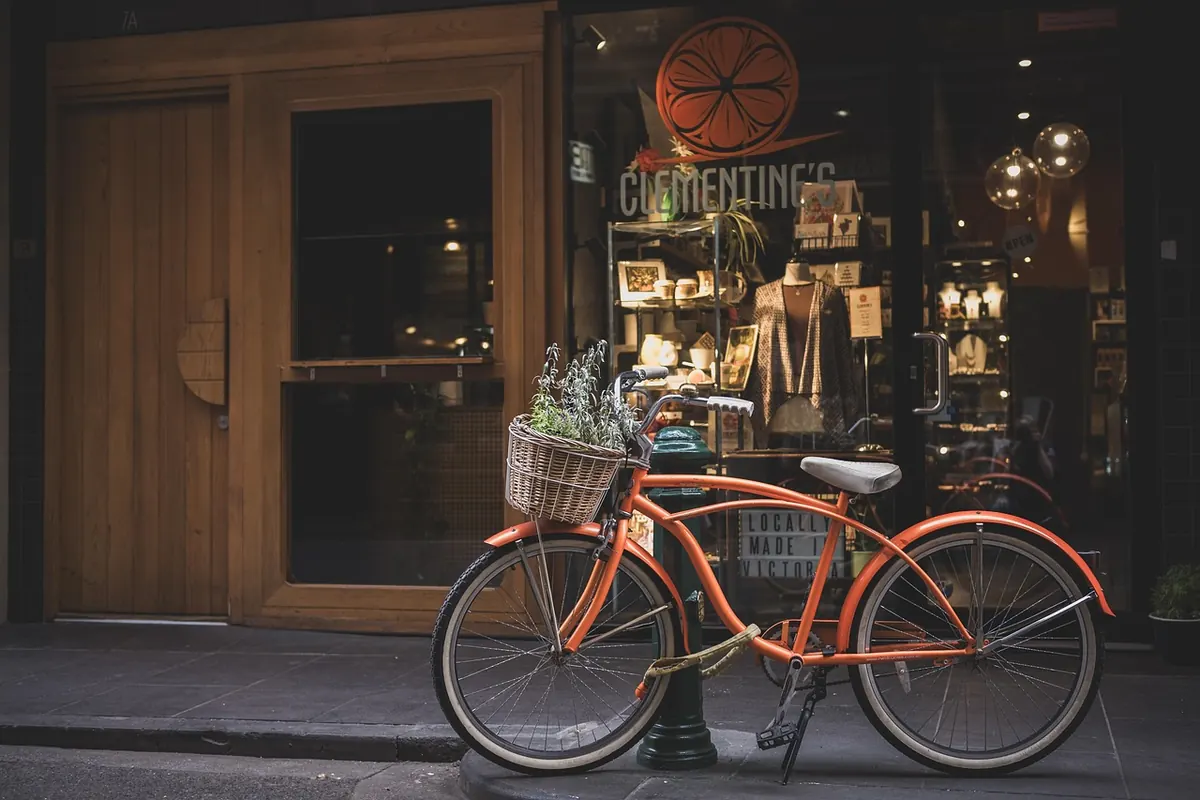
Walk into most independents and you can tell someone chose the furniture on purpose. Mismatched chairs, local art for sale on the wall, a stack of newspapers, music quiet enough to talk over. Staff often know the regulars by order rather than name — the man who always has a cortado and a slice of banana bread. Dogs are usually welcome. Tables are usually small. When it fills up, it gets genuinely loud, because the room was never designed to absorb a Saturday rush.
Chains are built for consistency, and it shows. Lighting is brighter, seating is uniform, and there is almost always a table for six when you need one. That matters more than people admit: if you are meeting two other families, or you have a pram and a toddler who needs a high chair, the chain will solve problems the independent simply cannot. The trade-off is that nobody lingers. You eat, you leave, and the room resets behind you.
Price: Where the Money Actually Goes
The lazy assumption is that independents always cost more. Sometimes they do, but not uniformly. A chain will usually win on the headline bundle: a breakfast muffin, a hash brown and a coffee for a set price, ordered at a screen without conversation. An independent's bacon roll can easily undercut it, and the filter coffee is often cheaper than anything on a chain's board.
Where independents do cost more, you are often paying for something specific — better bread, eggs from a named farm, a cake baked that morning rather than delivered frozen. Portions are sometimes smaller and sometimes much larger. Look at what arrives before deciding whether it was worth it.
Two practical notes. Chain loyalty apps reward frequency with free drinks, which quietly makes them cheaper if you go weekly. Independents tend to run paper stamp cards or nothing at all — ask, because they rarely advertise it.
The Menu: Familiarity vs Flexibility
A chain's menu is identical in every branch, allergens are listed, and the vegan option exists in a form you have eaten before. That predictability is a real feature, especially with a fussy eater or an allergy in the group.
An independent's menu changes with the season and whoever is cooking. That means the sourdough might be superb and the halloumi might be a bit dry, sometimes on the same plate. It also means you can ask for things.
- Can I swap the bacon for mushrooms, or the white for sourdough?
- Is the soup or the special made here, or brought in?
- What is the kitchen particularly good at today?
- Do you take bookings for brunch, or is it walk-in only?
Ask before you order rather than after. Independent kitchens generally say yes, and the answer tells you a lot about the place.
Space, Speed and the Weekend Rush
Chains move people through quickly. Order at the till or an app, take a numbered stand, and food arrives within a predictable window. If you have a train to catch, a toddler losing patience, or ninety minutes before a football match, that is not a compromise — it is the correct choice.
Independents run on one coffee machine and often two people doing everything. At eleven o'clock on a Saturday, a twenty-minute wait is normal and nobody's fault. Go before ten or after one and you will eat calmly. A short queue outside usually means something good; a long queue with hungry children is a mistake you only make once.
How to Choose on the Day
- Check the clock. Less than an hour? Chain. A lazy two hours? Independent.
- Count the group. Six or more, or anyone needing a high chair, and the chain's layout wins unless you have booked ahead.
- Name the mood. A proper catch-up needs a table nobody is hovering over. Independents rarely rush you; chains often do, gently.
- Set a ceiling first. Decide what you want to spend, then choose the format — coffee and pastry, or a full brunch — rather than deciding on the pavement.
- Check how you will pay. Some independents are card-only, a few are still cash-only. Find out before you are seated and thirsty.
A Workable Weekend Plan
You do not have to pick a side. Use the chain when you need speed, space and predictability, and the independent when the point of the morning is sitting still and talking. If you want to support local places without turning it into a chore, pick one independent a month and order something you would not normally choose — the special, the unfamiliar pastry, the filter coffee instead of the flat white. It keeps the money on the high street and it stops brunch becoming another transaction.
Two small things make an independent visit better. Arrive early, and sit at the counter if there is one; you will get better recommendations and faster coffee. And check the bill before you pay, since some cafés add a service charge for larger tables while others leave it entirely to you. A little patience, a little curiosity, and the weekend breakfast you actually wanted is usually about four minutes further down the road.
Photo: MẫnLê / Pixabay